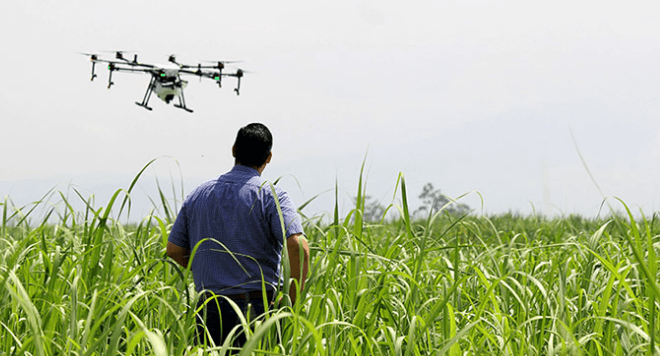
Sustainable farming with tech integrates sensors, data, and decision systems to align resource use with ecological limits. Soils and crops become data points, offering real-time insight into moisture, nutrients, and pest pressures. Precision approaches target water, fertilizers, and pesticides, aiming for stable yields with lower waste. AI and connectivity advance monitoring and governance, yet data sovereignty and farmer autonomy remain central. The path forward stands on transparent metrics and accountable risk, inviting scrutiny of what comes next.
What Tech Transforms Sustainable Farming (and Why It Matters)
Technology reshapes sustainable farming by optimizing resource use, enhancing yield stability, and reducing environmental impact. The observed trend emphasizes scalable tools, transparent governance, and accountable systems. Data flows enable informed decisions while preserving data sovereignty. Ethical automation governs robotic and algorithmic actions, aligning efficiency with farmer autonomy. The result is resilient productivity, measurable by dashboards, audits, and real-world performance across diverse agroecosystems.
Smarter Soils: Sensors, Data, and Decisions
Smarter soils harness a network of sensors, data streams, and decision frameworks to translate underground conditions into actionable insights. The approach emphasizes continuous monitoring, calibration, and standardized metrics. With soil sensors and real-time data visualization, stakeholders anticipate trends, optimize responses, and maintain resilience.
Decisions emerge from transparent dashboards, empowering farmers to act decisively while preserving autonomy and ecological balance.
Precision Practices: Water, Fertilizer, and Pesticide Optimization
Across fields and farms, targeted input strategies translate soil and crop signals into actionable schedules for irrigation, nutrient application, and pest control, aiming to maximize yield while minimizing environmental footprint.
Precision practices distill data into timing and rate decisions, emphasizing precision irrigation and fertilizer optimization.
The approach foregrounds measurable outcomes, scalable methods, and adaptive management, sustaining freedom through efficient, transparent resource stewardship and responsible risk mitigation.
Building Resilient, Transparent Farms With AI and Connectivity
How can farms become more resilient and transparent through AI and connectivity, and what measurable gains emerge from these technologies? The approach integrates real-time sensors, predictive analytics, and open data protocols to monitor soil, water, and crop health. Demonstrated improvements include reduced waste, faster anomaly detection, and stronger farm resiliency. Data ethics frameworks ensure accountability and trust for freedom-loving, data-driven operations.
See also: bulletinnewsdaily
Frequently Asked Questions
What Are the Upfront Costs for Small Farms Adopting These Technologies?
Upfront costs vary, but small farms typically allocate initial investments for sensors, automation, and software, with payments spanning hardware, installation, and training. Observers project scalable returns, though cash flow remains a critical constraint for small farms pursuing tech adoption.
How Do Farmers Protect Data Privacy and Ownership?
Farmers protect data privacy and ownership by establishing explicit data ownership terms, consent protocols, and robust privacy safeguards; practices include access controls, transparent data-use policies, encryption, and periodic audits to ensure secure, future-oriented stewardship and freedom from exploitation.
Can Tech Reduce Labor Needs Without Compromising Yields?
Tech adoption can reduce labor needs while preserving yields, as evidence shows through automation and predictive analytics. Yield optimization relies on precise input use, while data governance and privacy protection ensure trust, independence, and freedom for farming operations.
What Regulatory Hurdles Exist for Automated Farming Systems?
“Jury-rigged plow” aside, regulatory hurdles for automated farming systems include evolving regulatory frameworks, data interoperability requirements, safety certifications, high capital disclosures, liability rules, and environmental impact assessments, shaping scalable, freedom-loving adoption while ensuring accountability and farmer autonomy.
How Scalable Are These Solutions for Diverse Crop Types?
Automated farming scales variably across crop types; scaling diversity hinges on adaptable hardware and software. Observers note mixed performance, yet data suggests increasing crop adaptability with modular platforms, enabling rapid experimentation and broader adoption for freedom-driven agricultural futures.
Conclusion
The integration of sensors, data ecosystems, and adaptive management paints a future where farms act as coordinated, responsive systems. Observations across soils, water, and inputs reveal measurable gains in efficiency and resilience, underpinned by transparent governance and farmer autonomy. With AI-guided decisions and robust connectivity, risk is anticipated and mitigated rather than reactive. Like a well-tiled mosaic, the field emerges as a data-rich organism—steady, scalable, and relentlessly focused on sustainable outcomes.