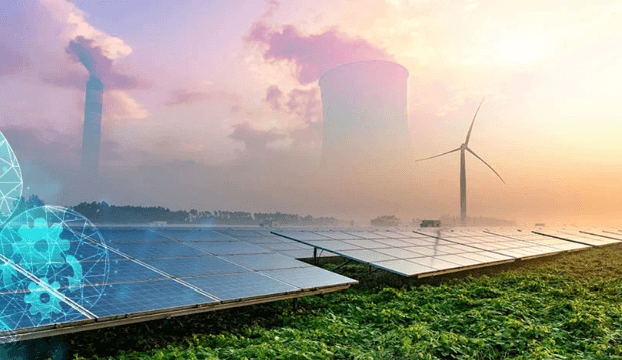
Sustainable energy tech innovations are advancing quickly, driven by cost declines, policy support, and expanded capacity across storage, grids, and renewables. Breakthroughs in higher energy density and longer lifecycles enable modular storage; smarter grids improve reliability and resilience; policy signals and pricing transparency accelerate deployment. The result could be affordable, equitable decarbonization with measurable societal impact. Yet critical questions remain about implementation, economics, and equity as these technologies scale.
What Is Driving the Next Wave of Sustainable Energy Tech
The next wave of sustainable energy technology is driven by a convergence of cost declines, policy support, and capacity expansion across multiple technologies. This trajectory hinges on resource pricing signals guiding investment and consumer adoption patterns, aligning market incentives with environmental goals. Analysts anticipate disciplined capital deployment, improved efficiencies, and competitive pricing, enabling broad deployment while maintaining reliability, resilience, and personal autonomy in energy choices.
Breakthroughs in Storage: Batteries, Materials, and Beyond
What breakthroughs in storage are redefining the grid and user autonomy? Breakthroughs in storage center on higher energy density, faster charging, longer lifecycles, and lower costs. Batteries chemistry advances enable safer, scalable solutions, while materials breakthroughs enhance stability and performance. Systems integration, predictive maintenance, and modular designs promise resilient reliability, grid flexibility, and consumer empowerment in a decarbonized energy landscape.
Cleaning Up Grids: Smart, Flexible, and Resilient Infrastructure
Smart, flexible grids integrate distributed energy resources, advanced sensors, and real-time analytics to enhance reliability and resilience. They optimize flows, reduce outages, and enable rapid recovery.
Grid modernization leverages demand flexibility, storage integration, and modular infrastructure to weather extreme events. Data-driven planning guides investments, while interoperability and cybersecurity guard trusted operations, delivering cleaner power, lower costs, and sustained energy freedom.
Real-World Impacts: Policy, Economics, and Consumer Choices
Policy, economic forces, and consumer behavior collectively shape the real-world outcomes of sustainable energy transitions. This analysis tracks policy incentives, market signals, and grid integration costs, illustrating how fiscal support and transparent pricing steer investment cycles. Consumer adoption hinges on affordability and reliability, while early data show measurable emissions reductions and job creation. Continued policy alignment and competitive economics sustain scalable, equitable progress.
See also: bulletinnewsdaily
Frequently Asked Questions
How Will Emerging Technologies Affect Job Markets in Renewable Energy?
Emerging technologies will reshape the job market by increasing labor demand in high-skill roles while widening skills mismatch for routine tasks, necessitating policy incentives and proactive retraining to align workforce capabilities with evolving renewable energy demands.
What Are the Trade-Offs of Large-Scale Green Hydrogen Adoption?
Large scale hydrogen presents production challenges, financing barriers, and favorable policy incentives; yet it offers decarbonization potential, energy security, and industrial flexibility, while costs, infrastructure needs, and market design risk delaying widespread adoption.
Can Tiny Homes Meaningfully Reduce Grid Demand and Costs?
Tiny homes can meaningfully reduce grid demand by diversifying load, enabling peak-shaving, and integrating on-site generation; however, effects vary. Data-driven projections suggest modest overall cost savings, with substantial impact when scaled alongside efficient design and flexible consumption strategies for grid demand.
How Do Equity and Justice Concerns Shape Deployment of New Tech?
Equity in deployment and justice considerations steer tech rollout, shaping who benefits and bears risk. As data maps outcomes, policymakers balance access with innovation, ensuring scalable solutions align with rights, freedom, and durable social trust in a data-driven future.
What Maintenance Challenges Accompany Long-Term Energy Storage Systems?
Long-term energy storage systems pose maintenance challenges such as staggered maintenance cycles and degradation risks, with data suggesting increased monitoring, predictive analytics, and component replacements to sustain performance while enabling flexible, freedom-oriented, forward-looking deployment strategies.
Conclusion
The trajectory of sustainable energy tech points toward a gradual, well-managed transition, underpinned by disciplined data and steady progress. While challenges persist, incremental gains in storage density, grid intelligence, and policy alignment suggest a smoother uptake and broader reliability. By framing trade-offs transparently and prioritizing scalable, cost-effective solutions, society can move toward decarbonized outcomes with measured confidence, mindful of unintended consequences. In this prudent horizon, innovation quietly anchors a more resilient, equitable energy future.